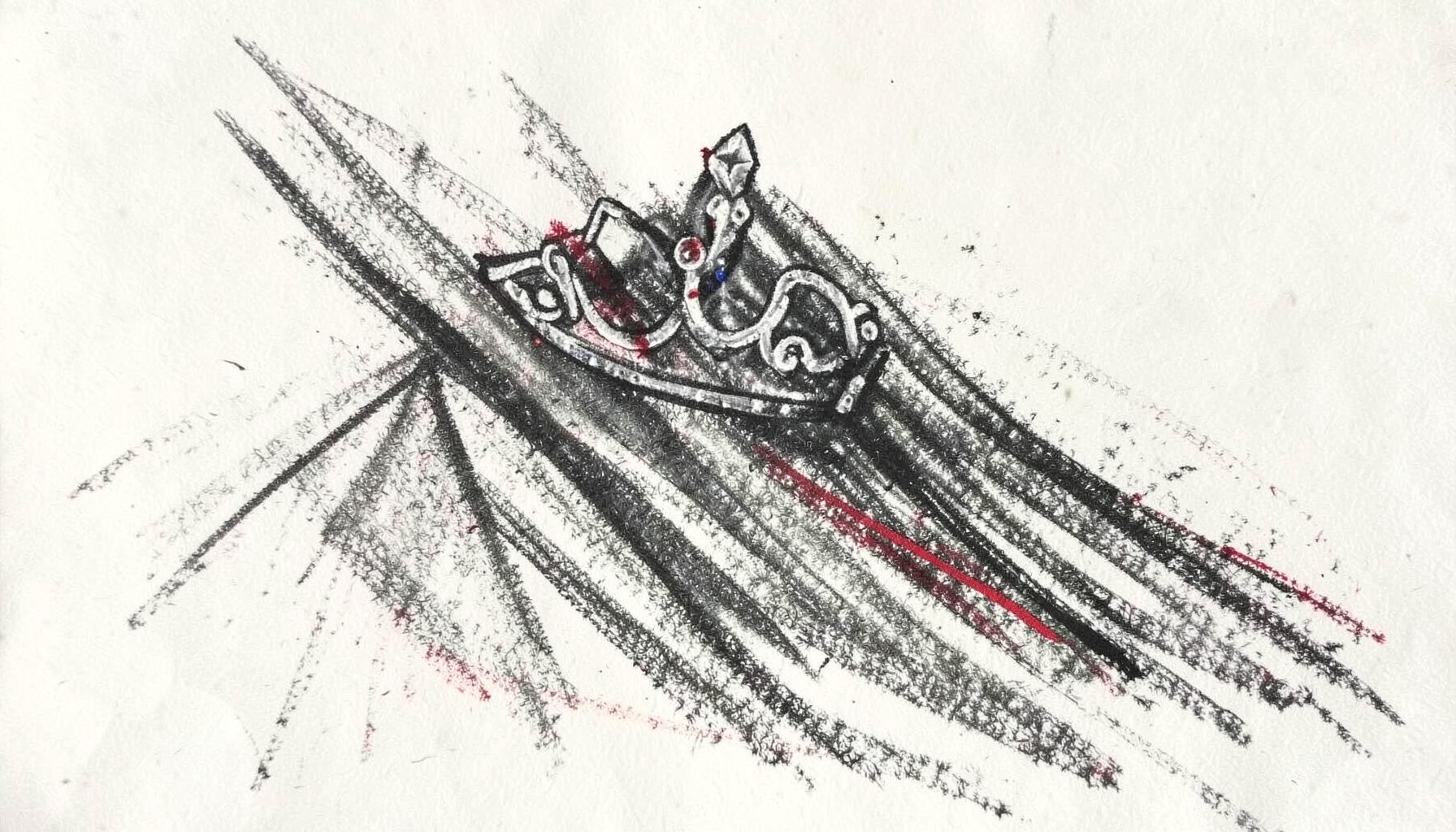
A neutral introduction to wedding accessories and bridal styling — a starting point for visitors exploring the topic.
Vintage-Inspired Wedding Bands for the Bride Who Loves the Past
There's something quietly romantic about slipping on a ring that looks like it could have been pulled from a grandmother's jewellery box on a bushwalk through the Adelaide Hills. Vintage-inspired wedding bands lean into that feeling, borrowing silhouettes, textures and craftsmanship from past eras rather than copying exact antiques. The result is a piece that feels storied, a little idiosyncratic, and unmistakably yours.
Across Australia, brides shopping for retro-flavoured bands often arrive at the fitting knowing exactly which silhouette they want, sometimes down to the millimetre. Whether you gravitate towards hand-engraved milgrain, slim diamond-set eternity styles, or chunkier mid-century gold, the era you choose quietly shapes the rest of your bridal look.
How to Recognise an Antique-Style Band
The easiest way to tell a true vintage-inspired wedding band from a plain modern one is to look at the edges and the finish. Milgrain detailing — those tiny beaded ridges running along the band — is one of the clearest giveaways of Edwardian and early Art Deco influence. Hand-engraving, knife-edge profiles and filigree shoulders all point towards a piece meant to feel like a family heirloom rather than something freshly poured.
Brides who love the look often describe it as "a bit Art Deco" or "very Great Gatsby-era", and that flapper mood tends to come through in the geometry of the ring. Look for stepped shoulders, low-set gallery work, and symmetrical linework if that is the direction you want to chase.
Eras Worth Borrowing From
Most antique-flavoured rings borrow from one of four eras. Victorian pieces lean into warm yellow gold with small seed pearls, seed-set garnets, or hand-engraved scrollwork. Edwardian bands are lighter, almost lace-like, with platinum and fine filigree that photographs beautifully in soft morning light. Art Deco designs push harder on geometry — onyx, calibre-cut sapphires, baguette diamond halves — and suit brides leaning modern. Retro or mid-century styles from the 1940s and 50s go bold with chunky rose gold, sculptural shoulders, and warm citrine or aquamarine accents.
A sapphire-blue accent also flatters the silhouette, and several Australian ateliers work with ethically sourced Ceylon-style stones or sapphire from the New England fields to slot neatly into a vintage setting.
Metals, Colours and Patina
Vintage styling rarely pairs with bright white finishes. Yellow gold and rose gold carry warmth that suits antique craftsmanship, and many Australian jewellers now offer an aged finish option that darkens the recesses of engravings so detailing reads more clearly the day you collect the ring. Platinum holds its own with Edwardian and Art Deco shapes, though it costs more per gram, since platinum pricing in the Australian market tracks closely with international spot rates.
Mixed-metal bands — a warm gold band with a slim white gold or platinum inlay — are increasingly popular in Melbourne and Brisbane workshops, partly because they pair more forgivingly with engagement rings set in different alloys.
Stones, Cuts and Quiet Sparkle
The diamond cuts associated with heirloom-flavoured bands are themselves a vocabulary — old European, old mine, rose cut, single cut. These are calibrated to catch light differently than a modern brilliant, giving a softer, candle-like glow that flatters low-set engagement rings. Many local jewellers in Sydney's Strand Arcade and Melbourne's Hardware Lane stock ready-made bands with these older cuts, and bespoke work lets you specify how chunky the faceting should be.
For colour, an Australian opal inlay set into a yellow gold eternity band is a beautifully local twist on the antique look — a small flash of green-blue fire against hand-engraved shoulders.
Sourcing and Buying in Australia
Working with an independent Australian jeweller usually means two to four fittings spread across six to ten weeks, depending on engraving complexity and whether stones need to be hand-cut. Deeper filigree work can stretch timelines, and most studios will not begin wax carving until the engagement ring style is locked in so the profiles sit flush. Budget for hallmarking, which is mandatory under Australian law for rings containing precious metals, and expect separate charges for engraving or an aged patina.
For inspiration and curated collections of antique-flavoured silhouettes, theweddingtiara.com gathers many of the rings worth comparing before a first consultation.
Caring for an Heirloom-Looking Band
The detailing that gives a vintage-inspired wedding band its character — milgrain ridges, engraved scrollwork, recessed filigree — is also where everyday grime settles. A soft toothbrush, warm soapy water and the occasional soak in a mild jewellery solution keeps the recesses clean without softening the patina. Take the ring off before the gym, an ocean swim, or any DIY job, especially given how often Australian brides wear theirs through beach weddings and coastal honeymoons.
A yearly professional clean pays for itself: jewellers check prongs, re-tighten stones, and refresh an aged finish that home polishing has slowly worn away.
These rings are built to be lived in. The small scratches, the way the engraving catches the light after a year of wear, the deepening of the metal — none of it diminishes the piece. A well-chosen antique-flavoured band looks its best not on the day it goes on, but a decade later, when it has settled fully into your hand. Book a fitting with your local goldsmith, bring a few reference photos from the eras that move you, and trust the slow conversation between sketch, stone and metal to land on a band that already feels like an heirloom.
STYLE HERITAGE
NOTES EDITORIAL
REVIEW REFERENCE
GUIDE DESIGN
STUDY READER
TRUST