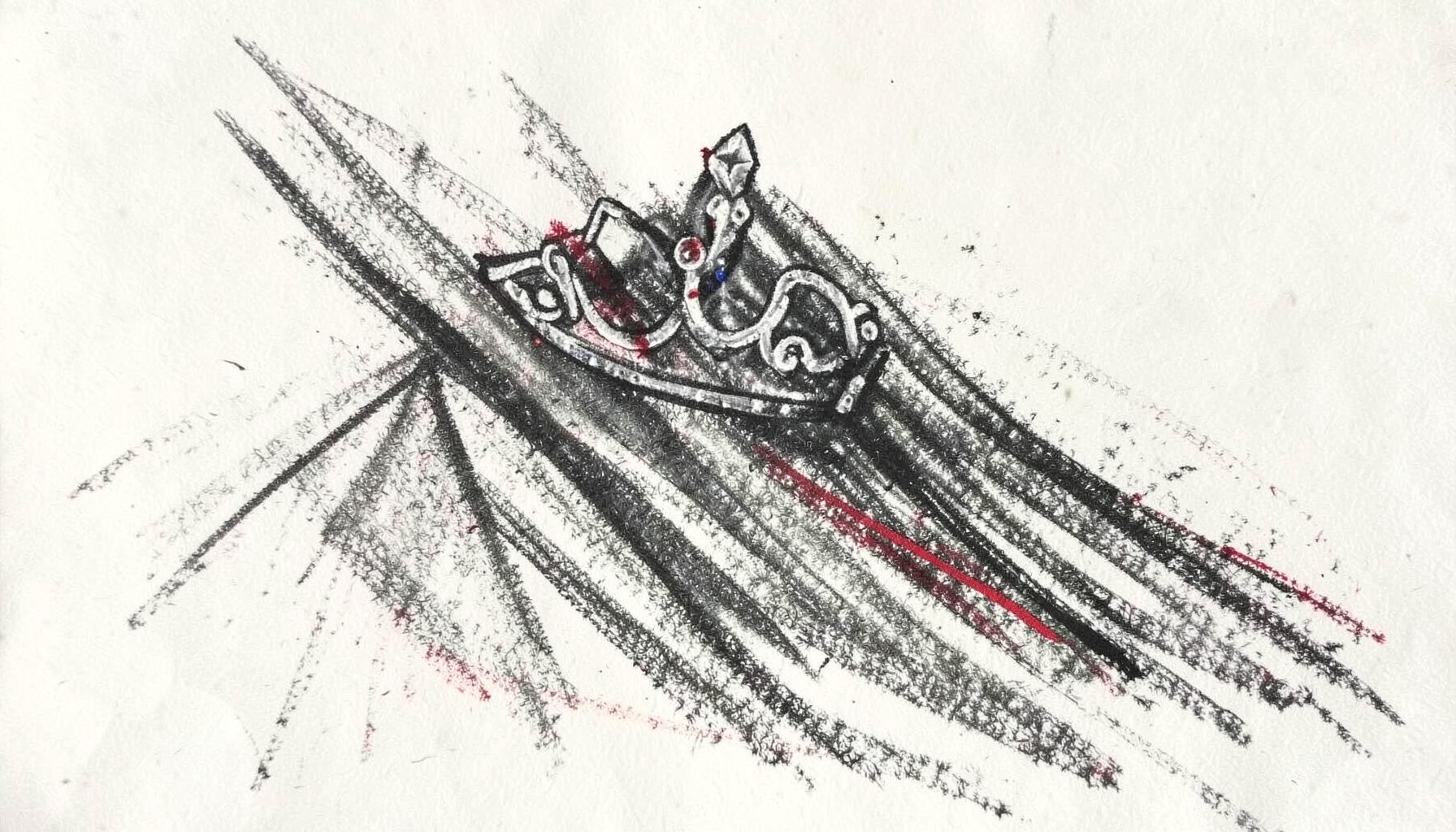
A neutral introduction to wedding accessories and bridal styling — a starting point for visitors exploring the topic.
How to Resize a Family Heirloom Engagement Ring
A family engagement ring carries a history that cannot be bought from a display cabinet. It may have belonged to a grandmother, travelled across generations, or been worn through milestones that give its scratches and softened edges real meaning. Resizing it is therefore a balance between comfort, security and preservation.
Before taking the ring to a jeweller, establish what it is made from, how it is constructed and whether any stones are loose. A ring that looks simple may contain delicate settings, an antique hallmark or a band shaped to fit a particular wedding ring. These details affect the safest alteration.
Australian couples may also need to allow extra time if the ring is being assessed in a regional town or sent to a specialist workshop in Sydney, Melbourne or Brisbane. A local jeweller can arrange this, but the ring may not be ready within a few days, especially during the busy spring and summer wedding season.
A professional assessment is worth the cost. It can reveal whether the heirloom should be enlarged, reduced, rebuilt or left unchanged with a discreet sizing solution. The right approach protects both the jewellery and the story attached to it.
Begin with a professional inspection
The first appointment should include a close examination of the shank, shoulders, claws and gemstones. The jeweller will check for thinning metal, previous joins, cracks and worn settings. An old ring may need strengthening before its size is changed, particularly if the lower part of the band has become noticeably narrow.
Ask for the ring to be measured while it is at room temperature. Finger size can vary with heat, cold, activity and pregnancy, which matters in Australia’s warmer climates. A snug but comfortable fit is preferable to a ring that spins or leaves a deep mark.
Identify the safest resizing method
To make a ring larger, a jeweller usually cuts the band and inserts a matching section of metal before soldering and polishing it. A small increase may be possible through careful stretching, but this is not suitable for every design and can make the band thinner.
Reducing a ring generally involves removing a section and joining the ends. For minor changes, sizing beads or an internal sleeve may be less invasive. These options can be useful for an heirloom with engraving, intricate shoulders or a continuous pattern that should not be interrupted.
Consider the metal and setting
Gold alloys, platinum and silver respond differently to heat and pressure. An Australian jeweller will usually discuss whether the new metal can be matched to the original colour and purity, such as 9ct or 18ct gold. A visible difference may remain in an antique piece, especially where the existing metal has aged or been repaired.
Some rings should not be resized in the conventional way. Eternity bands with stones around the entire circumference, tension-set designs and brittle vintage mountings can be difficult to alter safely. If the central stone is an opal, emerald or another sensitive gem, ask how heat will be controlled during the work.
Protect the gemstones
Resizing can disturb a setting, even when the work is performed carefully. Before handing over the ring, request a condition report that records loose stones, chips, scratches and existing damage. Photographs and a written description are sensible for a valuable family piece.
The jeweller should inspect the claws after resizing and confirm that the centre stone remains secure. A professional clean may be offered at the same time, but antique jewellery should not automatically be polished heavily. Preserving its softened surface and tiny marks may be more important than making it appear brand new.
Match the ring to your bridal style
A resized heirloom can become the foundation of a wider bridal look. If the ring has a warm yellow-gold tone, pair it with understated gold earrings or a slim band rather than forcing every accessory to match exactly. Mixed-metal styling can make an older piece feel intentional and contemporary.
For a softer colour direction, explore ideas such as the romantic morganite palette alongside blush-toned details. A jeweller can also advise whether a new wedding band should be curved, fitted or made with a small gap to avoid rubbing against the heirloom.
Decide what should remain untouched
The original engraving, maker’s mark or family initials may be part of the ring’s identity. Before resizing, point out every detail you want preserved. If the inside of the band has enough room, a new date or message can be added beside the existing inscription; these personalised engraving ideas can help shape a meaningful choice.
Avoid altering a ring simply to follow a passing trend. If its proportions, patina or unusual design feel important, retain them and build the rest of the bridal jewellery around those qualities. Style references from bridal fashion inspiration can help you compare silhouettes without losing the heirloom’s character.
Once the work is complete, wear the ring for short periods and check that it stays secure during ordinary movement. Keep the jeweller’s report, valuation and any removed metal with your family records. For care guidance and further jewellery styling ideas, visit The Wedding Tiara and arrange a professional inspection before the wedding date.
Take the heirloom to a reputable jeweller well before your ceremony, approve the resizing method in writing and request a final setting check. With careful planning, the ring can fit comfortably while carrying its family history into a new chapter.
STYLE HERITAGE
NOTES EDITORIAL
REVIEW REFERENCE
GUIDE DESIGN
STUDY READER
TRUST