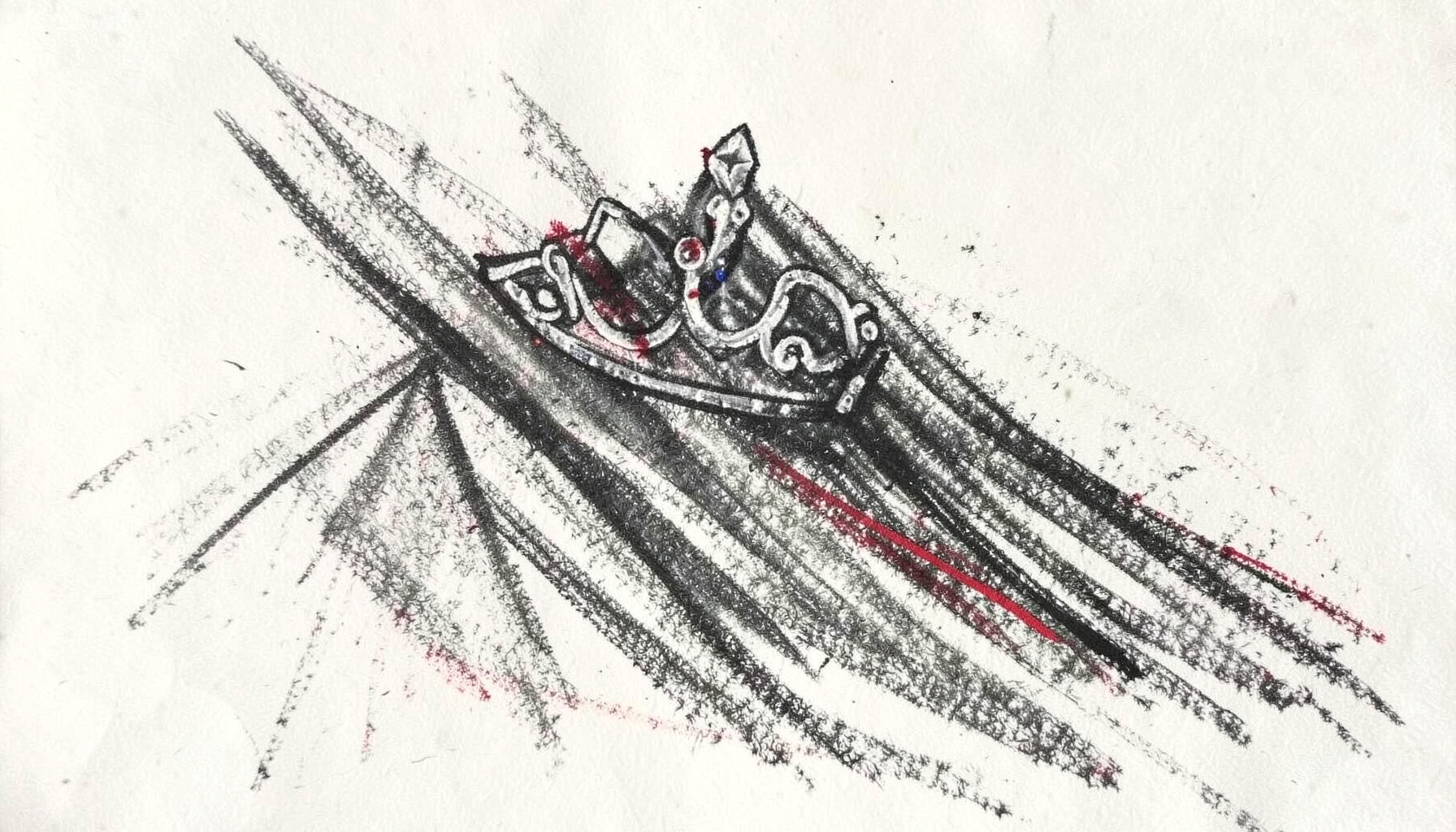
A neutral introduction to wedding accessories and bridal styling — a starting point for visitors exploring the topic.
How to select a beaded bridal headpiece for a bohemian ceremony
A beaded bridal headpiece can give a bohemian ceremony a romantic focal point without feeling like a costume. Seed beads, freshwater pearls, crystals and softened metalwork complement lace, flowing chiffon and simple cotton beautifully.
The right piece should relate to your veil, earrings, neckline, flowers and hair. Consider texture and movement before sparkle: a slender headband can feel more bohemian than a large crown when it echoes the relaxed shape of your gown.
In Australia, the approach works for an intimate arvo gathering or a full bush wedding in the Byron Bay hinterland. A beach ceremony on the Gold Coast demands a different practical choice from a garden party beneath eucalyptus trees, so consider the setting and weather early.
Choose by trying pieces with your actual dress and hair rather than by labels alone. Ask about secure fittings, and allow time for a bridal accessorist to adjust the headpiece for comfort and stability.
Read the setting before the sparkle
Read the setting before choosing the sparkle. A destination wedding under fig trees calls for a lighter, nature-led piece than a formal marquee reception. When comparing bridal looks through an Australian marketplace, the Kikay Corner marketplace can help you explore dress silhouettes before testing compatible headpieces against the overall styling.
Notice what is already in the ceremony: banksia and gum leaves, protea, eucalyptus, woven rugs or loose muslin. Beads can pick up the movement of native foliage, while pearl or shell details can sit comfortably beside sand, timber and stone. Aim for one shared texture rather than matching every object.
Build a palette from your gown
Start with the colour and finish of your gown. Warm ivory fabric pairs easily with soft pearl, champagne and antique gold, while a bright white dress can support ivory, silver or pale rose detailing. Photograph the fabric in natural daylight so bead colour is judged against the real material rather than a dim indoor setting.
Coordinate the headpiece with your other jewellery without making every piece identical. A guide to pearl drop earrings can help you compare shape, scale and metal. The headpiece might repeat one small detail from the earrings while using a different bead shape for variety.
Choose beads for beauty and staying power
Lightweight seed beads create a fine texture, freshwater pearls bring a softer glow and crystals provide sharper reflections. Faceted stones also change character according to their cut; a comparison of princess-cut and cushion-cut diamonds shows how geometric facets differ from rounded brilliance. Apply that same awareness when comparing cubic zirconia or crystal alternatives.
Comfort matters as much as appearance. Ask whether the comb, headband or wire is nickel-free, and check how firmly it can be secured without pulling the hair. Bring your veil and hairpins to the fitting so the attachment points can be tested together, especially if the piece uses several rows of heavier beads.
Balance the piece with your hair
Hair texture changes how a headpiece sits. Fine hair may need a padded or elasticised band, while curls can conceal attachment points but add volume. Braided styles offer a secure base for a comb, whereas loose waves may suit a flexible vine that follows the shape of your hairstyle.
Use a bridal jewellery collection to see how bridal accessories relate to different necklines and silhouettes. The headpiece should frame your face without competing with the veil. Place the veil first, then the headpiece, and check both from the front, side and rear to ensure they remain aligned when you move.
Prepare for Australian conditions
For summer ceremonies, heat, strong UV and wind can affect both comfort and appearance. Fine hair, heavy beads and a veil secured with many pins may become uncomfortable in warm weather. Test the arrangement by wearing it for at least half an hour, and ask your stylist about discreet anchors that will not mark the hair or slip during the walk to the altar.
An arvo ceremony offers beautiful light, but the timing of photographs matters. Keep the headpiece in shade when possible and avoid leaving pearls or crystals in a parked car. For Byron Bay, the Gold Coast or other coastal venues, check the forecast and the direction of the sea breeze. Arrange a hair and makeup trial that includes the actual headpiece so the final look accounts for humidity and movement.
Coordinate the complete bridal look
Your dress, earrings, rings, shoes and headpiece should each have a role, but they do not need identical beadwork. A colourful gemstone headpiece can work with plain earrings, while a delicate pearl band may need a stronger ring or necklace nearby. Mixed metals can be deliberate when each finish appears in more than one accessory.
The Australian bridal market becomes especially busy during peak wedding season, with specialist retailers, bridal salons and online jewellers offering different lead times. Confirm stock, delivery times, adjustment fees and cancellation policies before paying. Reserve the headpiece early, then allow one fitting with your dress and another during the final hair and makeup appointment.
Create a shortlist of two or three headpieces and photograph each with your gown, veil and earrings in daylight. This gives your stylist useful information and keeps the selection focused.
Book a fitting with a bridal accessorist, bring your actual gown or a reliable fabric sample, and test each piece while walking, sitting and turning. Once you find the right balance, arrange delivery, adjustments and collection plans well before the celebration.
STYLE HERITAGE
NOTES EDITORIAL
REVIEW REFERENCE
GUIDE DESIGN
STUDY READER
TRUST