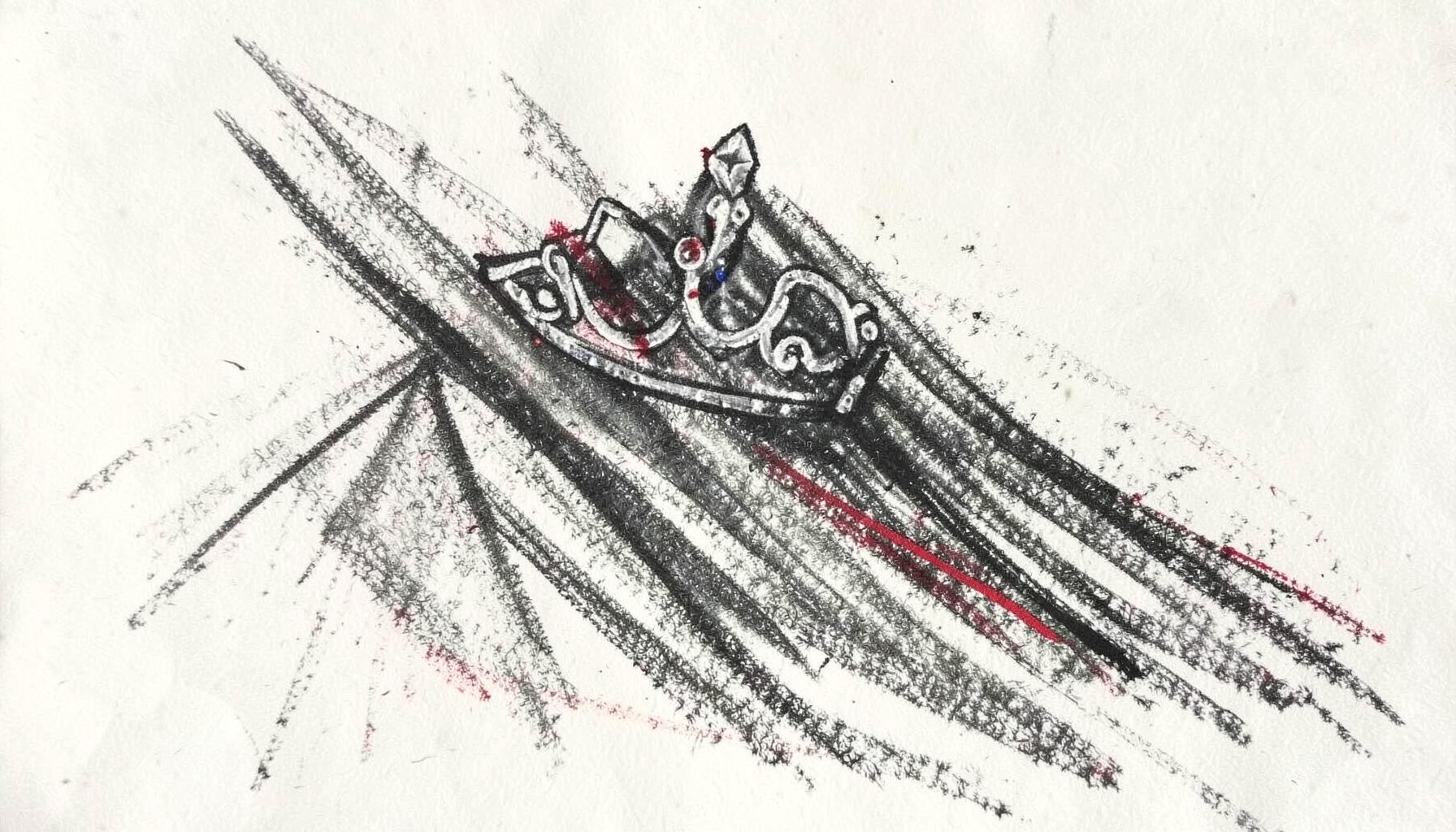
A neutral introduction to wedding accessories and bridal styling — a starting point for visitors exploring the topic.
How to Spot a High-Quality Vintage Headpiece at an Antique Shop
There's a particular romance about slipping on a bridal headpiece that has watched decades of love stories unfold. Vintage tiaras, combs, and bandeaus carry the charm of another era, when craftsmanship relied on patient hands rather than mass production. Australian brides have grown increasingly drawn to these heirloom-quality pieces, choosing them as a beautiful counterpoint to modern gowns or as cherished keepsakes passed down through generations.
Walking into an antique shop can feel overwhelming when every glittering tray seems to whisper something different. Knowing what separates a museum-worthy treasure from a costume-shop reproduction takes a little research and a trained eye. With the right guidance, that weekend wander through a market like Sydney's Paddy's or Melbourne's Camberwell can transform into the discovery of a lifetime.
Why Vintage Headpieces Are Worth the Hunt
A genuine vintage piece offers something contemporary designs struggle to replicate: patina. The gentle wear on rhinestones, the slight mellowing of silver, and the warmth pearls absorb from decades of light give an antique headpiece a soulful character. Many brides seek out 1920s Art Deco bandeaus, 1950s pearl-encrusted combs, or 1960s crystal crowns because these styles simply aren't reproduced with the same hand-finished detail today.
Quality vintage pieces also hold their value well, particularly those crafted from solid metals and natural gemstones. Heirloom headpieces become treasured family pieces, passed down for engagements and anniversaries well beyond a single wedding day. Brides planning a vintage-themed celebration will find plenty of inspiration at The Wedding Tiara, where curated bridal pieces sit alongside helpful trend articles.
What to Look for in the Construction
Start by examining the foundations. Older pieces were typically hand-wired, with prongs bent individually rather than machine-set. Run a fingertip along the underside of any comb or tiara, feeling for sharp solder points, weak joins, or excessive glue residue. Well-made vintage headpieces feel substantial but balanced, with weight distributed evenly across the band so they sit comfortably during a long ceremony.
Claws and prongs on rhinestones should curve gently over each stone without wobbling. If you can wiggle a crystal with your fingernail, the setting has loosened. Check that combs have full, intact teeth, and that bandeau bands are flexible but not cracked. Strong construction signals a maker who prioritised longevity over speed.
Spotting Genuine Period Details
Identifying the era of a piece helps confirm its authenticity and value. Victorian headpieces often feature darkened silver, garnets, seed pearls, and elaborate scrollwork. Edwardian designs favour delicate garland styles with platinum filigree and fine milgrain edges. Art Deco pieces from the 1920s and 30s showcase geometric symmetry, calibre-cut stones, and bold architectural lines. Mid-century work in the 1950s and 60s returned to softer florals, ribbon details, and aurora borealis crystals.
Familiarising yourself with these signatures protects against overpaying for mislabelled pieces. Books, museum collections, and online resources like your guide to buying a vintage wedding ring online offer detailed photographs that train the eye to spot subtle era markers. Many Australian auction houses publish catalogues showcasing authenticated examples too.
Common Red Flags in Antique Jewellery
Some warning signs should make you walk away, no matter how dazzling the display. Stones that look cloudy or scratched likely aren't original old-cut crystals or mine diamonds; they may be modern glass replacements. Exposed green verdigris around metal components suggests copper alloy instead of the silver or gold the label promises. Badly frayed threads, missing rhinestones, or replaced fittings often indicate a piece has been heavily restored beyond its original character.
Be wary of any seller who refuses to let you handle the piece closely. Australian antique dealers operate under strict consumer laws, and reputable vendors welcome careful inspection. If a price feels suspiciously low, ask pointed questions about restoration history and origin.
Where to Find the Best Pieces in Australia
Melbourne's Elizabeth Street antique precinct and Sydney's Queen Street Woollahra are dotted with dealers specialising in vintage costume and fine jewellery. Brisbane's Davies Park Markets often feature traders with curated 20th-century collections, while Adelaide's Magill Estate dealers focus on European imports. For brides further west, Perth's Subiaco hosts periodic antique fairs worth attending.
Travelling antique fairs that tour the eastern seaboard each spring bring rare stock to regional towns. Adelaide's annual Vintage Fair and the Royal Melbourne Show's antique pavilion both attract collectors from across the country. Online platforms such as Suncity Top 1 and other curated resale sites sometimes surface overlooked finds that never reach physical shop floors.
Care and Storage After Purchase
Once you've brought your headpiece home, proper care preserves its beauty for generations. Vintage metals are sensitive to humidity, especially during the steamy Australian summer. Store pieces in acid-free tissue within a fabric-lined box, away from direct sunlight and bathroom steam. A small packet of silica gel tucked into the storage container absorbs excess moisture during wet season.
Have valuable pieces professionally inspected every few years, particularly before wearing them for your wedding. A jeweller can tighten prongs, clean delicate stones, and reinforce weakened settings without compromising the original structure. On the day itself, transport your headpiece in a small jewellery roll rather than a handbag pocket where it might catch on clasps or keys.
Buying Tips Worth Memorising
- Ask about the piece's era, maker, and any restoration history before negotiating.
- Bring a small loupe to inspect prong work and stone clarity up close.
- Compare pricing across at least two or three dealers before committing.
- Photograph any markings, hallmarks, or stamps inside the band for later authentication.
- Trust sellers who allow cooling-off periods or written certificates of authenticity.
- Consider pieces with replaceable elements like combs or bands, which can be restored more easily.
When you finally slide that perfect piece onto your wedding morning, you'll know exactly why it caught your eye. Pair your vintage headpiece with thoughtful accessories from Full Fit Wear and keep exploring new pieces and styling ideas to build a bridal wardrobe that feels unmistakably your own.
STYLE HERITAGE
NOTES EDITORIAL
REVIEW REFERENCE
GUIDE DESIGN
STUDY READER
TRUST