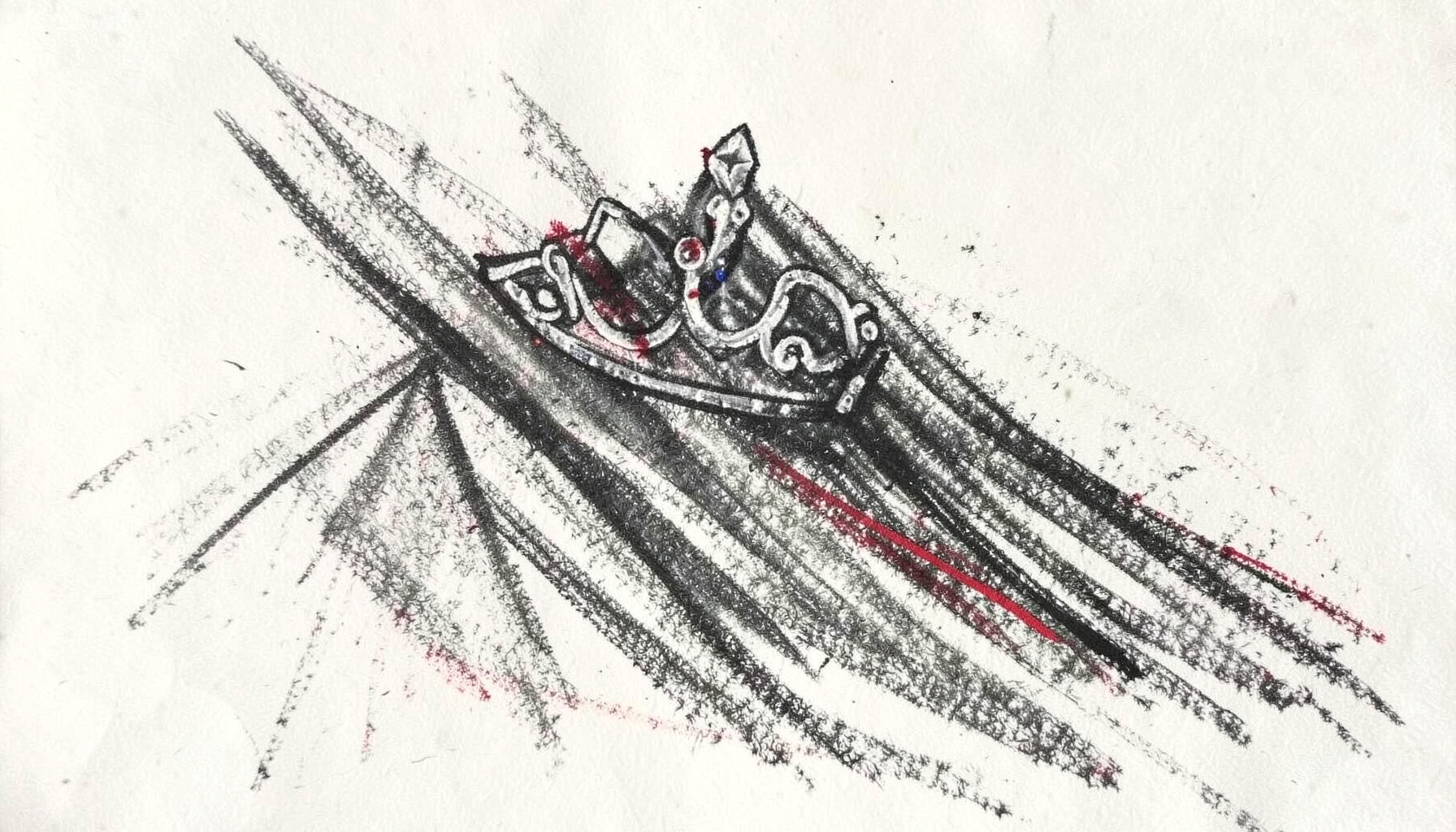
A neutral introduction to wedding accessories and bridal styling — a starting point for visitors exploring the topic.
Can you wear a family heirloom ring as an engagement ring
A family heirloom can become an engagement ring without a full reset. Its centre stone, mount and worn shank may carry more history than a new version, making preservation deeply personal.
A reset usually means dismantling the ring to change its stone setting, proportions or shank. That differs from an inspection, professional clean, minor prong tightening or repair, which can protect an heirloom while leaving its defining features intact.
For Australian buyers, start with the ring rather than a trend. Local bridal rings commonly use 18-carat gold or platinum, while established jewellers in Sydney, Melbourne, Brisbane and Perth regularly handle estate pieces and unique designs. A qualified jeweller can identify foreign hallmarks, signs of wear and whether state assay-office advice is needed.
Keep the history already built into the ring
An heirloom’s appeal may lie precisely in what a redesign would erase: softened gold, tiny scratches, an unusual mount and family engraving. Keeping the ring untouched allows those details to become part of the proposal story rather than something hidden by a modern setting.
That history can also shape the wider bridal look. A low, intricate antique mount may suit a lace veil and vintage-inspired gown, while a bold signet-style shank can feel contemporary. For complementary accessories and headpieces, vintage bridal jewellery offers a useful reference when balancing an old ring with new pieces.
Before a jeweller handles it, photograph the ring from several angles and record its hallmarks, stone descriptions and family history. Ask relatives about when it was purchased and any previous repairs; those details can reveal more than an estimate based on appearance alone.
Check the condition before choosing any work
Book a condition check with an independent jeweller who works with antique and estate jewellery. They should examine the prongs, shoulders, shank, stone and soldered joins under magnification. A ring can look perfect in a photograph while a prong has almost separated, or its shank may be too thin to resize safely.
Ask for the smallest effective treatment. A gentle professional clean may restore sparkle, and tightening a loose claw may be enough. If the ring contains opal, pearl, emerald or a treated stone, tell the jeweller before ultrasonic cleaning or chemical soaking because heat and vibration can cause damage.
| Approach | Original features kept | Best when | Trade-off |
|---|---|---|---|
| Untouched | Whole ring and patina | Fit and structure are sound | May need size support |
| Conservation | Stone, mount and visible wear | Cleaning or minor repairs are needed | Adds cost and limits future changes |
| Full reset | Stone may stay, but the mount changes | The original mount is unsafe | Loses character and costs most |
After the inspection, request a written recommendation separating essential work from optional redesign. Full resetting should be reserved for a structurally unsafe mount, not merely a style that no longer matches a current trend.
Find a fit that protects the centre stone
Fit is the commonest reason people assume an heirloom must be reset, although several solutions can avoid touching the centre setting. A jeweller may add or remove a small amount of metal from the shank; alternatively, a fitted stacking ring or finger guard can secure the heirloom.
Try the ring while standing, sitting and moving, as you would during the proposal and reception. A ring worn through an Australian wedding ceremony must tolerate dancing and handshakes, while an outdoor event in a hot climate can expose a high-set antique mount to snagging against a veil or flowers.
Some couples wear the heirloom on the right hand if that is more comfortable or accords with their cultural customs. If the original shank is too weak to resize, ask an atelier about non-invasive options. Specialist jewellers in Sydney and Melbourne routinely create discreet stacking and guard rings for this purpose.
Price the work honestly and document it
Ask every jeweller to itemise the quote, covering the assessment, cleaning, repairs, metal, stones, polishing and future resizing. Australian jewellery prices generally include 10% GST, so clarify whether the figure is merely a repair cost or an insured replacement value. The same attention to clear pricing applies whether you are comparing bespoke jewellery or checking unit prices through Gulf Petrol Link.
Have the ring valued and photographed in its current state before work begins. Store the report, receipts and family provenance together, and check whether your home-and-contents policy covers jewellery or requires a separate listed policy. A replacement valuation is not the same as an appraisal of the heirloom’s market value.
If new accent stones or metal are proposed, ask about traceability and independent gemological reports. Responsible sourcing and disclosure of treatments matter even when the centre stone is staying put. A reputable atelier should explain the trade-offs in plain language and include them in the written quote.
Build a proposal that honours the ring
Before the proposal, speak with family members who know the ring’s story and secure permission if it remains in an estate rather than your possession. A short note about the original wearer, the date and why the ring was kept will make the moment more meaningful than a generic speech about tradition.
Decide together how the ring will be worn. If the heirloom is too fragile for constant wear, present it during the proposal and discuss a durable companion ring for daily tasks without changing the heirloom itself. That approach preserves sentiment while acknowledging that inherited jewels were not necessarily built for modern schedules.
Book the condition assessment, keep the original setting whenever safely possible, and document the story before you ask the question. Let the proposal celebrate the ring’s past and your family’s future at the same time.
STYLE HERITAGE
NOTES EDITORIAL
REVIEW REFERENCE
GUIDE DESIGN
STUDY READER
TRUST