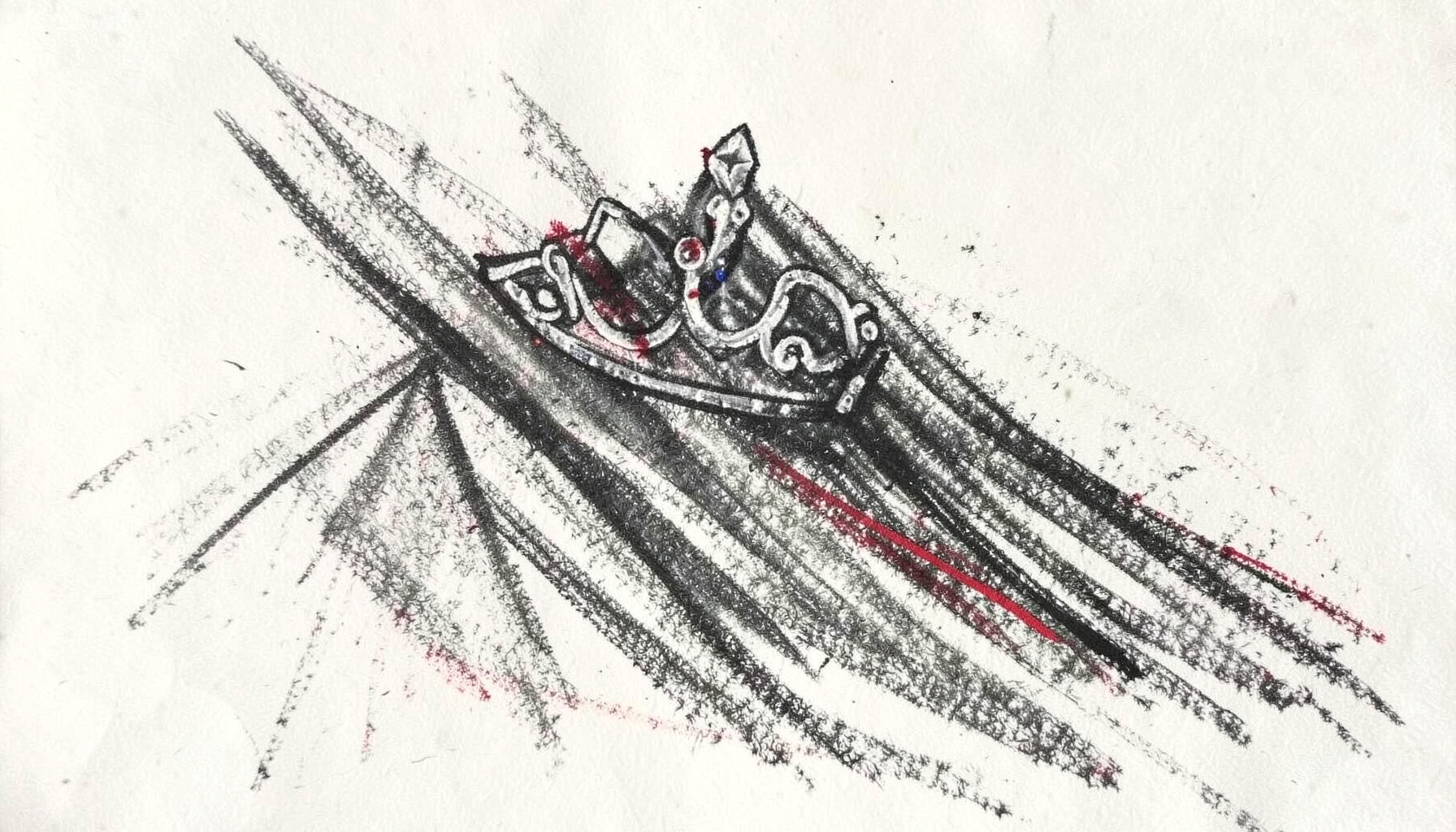
A neutral introduction to wedding accessories and bridal styling — a starting point for visitors exploring the topic.
How to create a bespoke engagement ring using family gemstones
A bespoke engagement ring made with family gemstones can preserve a deeply personal story while giving inherited pieces a new purpose. Instead of treating the stones as loose remnants, a jeweller can study their colour, shape and character, then build a custom design around them.
The work may involve redesigning an existing ring, recutting a damaged stone, creating new claw or bezel settings, or combining several heirlooms into one wearable symbol. A clear brief and careful documentation help prevent sentiment from outrunning the practical decisions.
Australian couples have a broad local market, from bespoke studios around Sydney and Melbourne to independent makers in Brisbane, Adelaide and regional centres. Many workshops offer Saturday consultations, while remote design sessions and insured couriers make interstate collaboration straightforward.
Appointments should cover condition, durability, valuation and budget—not just appearance. An inherited sapphire may need different settings from an old diamond, and costume jewellery may prove unsuitable once it is examined closely.
Begin with the family jewellery
List each stone separately and record its origin within the family, approximate carat weight, dimensions, colour and any known damage. Take sharp photographs under daylight, include existing hallmarks, and gather receipts or previous valuation reports. A simple family inventory gives the designer a reliable starting point.
Ask a qualified gemologist to identify the stones and look for fractures, abrasions, included crystals or treatments. A family emerald, for instance, may be oiled, while an old yellow stone could be topaz rather than sapphire. Testing keeps the concept honest before detailed drawings begin.
Shipping inherited jewellery also deserves thought. Use a tracked, insured service, photograph the parcel before sealing it and agree on custody, packing and responsibility for loss. Businesses subject to the Privacy Act must handle personal details according to the Australian Privacy Principles.
Build a design around the stones
Let the stones determine the architecture. Larger stones may suit a solitaire or trilogy, while small old diamonds can form a halo, chevron or floral cluster. Choose claw, bezel or low-profile settings according to daily wear, not only the rendering you admire.
Metal colour can either harmonise or contrast: yellow gold warms a champagne diamond, white gold sharpens a deep blue sapphire, and mixed metal can echo an Art Deco or vintage aesthetic. The jeweller can test proportions digitally or in physical models before cutting.
Decide which details matter most before approving the CAD drawing. Fine engraving, a hidden halo or a concealed family inscription may add meaning, but each feature affects cost and manufacturing time. Request an itemised A$ quote showing stones, labour, new metal, setting work, GST and delivery.
Work with an Australian jeweller
Choose a jeweller experienced in heirloom work and ask to see comparable custom pieces. Good studios will explain how they source replacement findings, preserve original stones and manage alterations. Sydney and Melbourne are particularly easy markets for face-to-face design reviews, but the same rigour applies online.
Australian Consumer Law consumer guarantees still apply to jewellery sold by Australian businesses, including protection against defects and reasonable fitness for a disclosed purpose. A made-to-order ring should therefore have a written scope covering materials, dimensions, expected delivery and who bears remake costs if something is wrong. A change-of-mind refund is not automatic, so record every approval.
Many local studios use milestone payments and progress photographs. Clarify when the deposit becomes non-refundable, how valuation certificates are handled and whether insurance covers the piece in transit or only after collection. These terms protect both the jeweller and the family bringing the stones.
Agree on value and documentation
Prepare the ring gently for inspection: wash your hands, avoid lotions and do not use household cleaners on soft stones. This Nivea moisturiser review is a useful reminder to check how rich formulas feel before letting them near fine jewellery, since oily residue can complicate handling.
Distinguish a retail invoice, a jeweller’s valuation and an independent gemological report. Insurance often needs a replacement value, while the report records identity and condition. For valuable inherited stones, an independent assessment can provide evidence that supports both insurance and future family discussions.
Keep a signed specification with the final invoice. It should name each stone, state treatments and dimensions, identify metal purity, record the maker’s mark and serial number, and explain care, servicing and return terms. Keep old certificates too; they may establish provenance even when they do not set today’s value.
Coordinate it with bridal jewellery
Treat the engagement ring as part of a wider bridal jewellery wardrobe. Coordinate its metal and motifs with the wedding band, tiaras, headpieces and earrings, and try stacking combinations in person. If your wedding band has a low profile, check that the engagement setting clears it rather than relying on a photograph.
Plan for ordinary Australian routines as well as the ceremony. Remove the ring for gym sessions, swimming, gardening and heavy manual work, and confirm how often it needs cleaning. If you wear glasses, choose bridal earrings for glasses that complement the frame without distracting from the ring.
Begin by making a careful inventory, then book a consultation with a qualified Australian jeweller. Bring the stones, their history and your preferred setting, and request a written concept, condition report and itemised quote before any irreversible work begins.
Use bridal jewellery inspiration to shortlist compatible metals, silhouettes and headpieces, then compare them against the inherited pieces. Turn the family’s story into a design that can be worn now, documented properly and passed forward with its meaning intact.
STYLE HERITAGE
NOTES EDITORIAL
REVIEW REFERENCE
GUIDE DESIGN
STUDY READER
TRUST