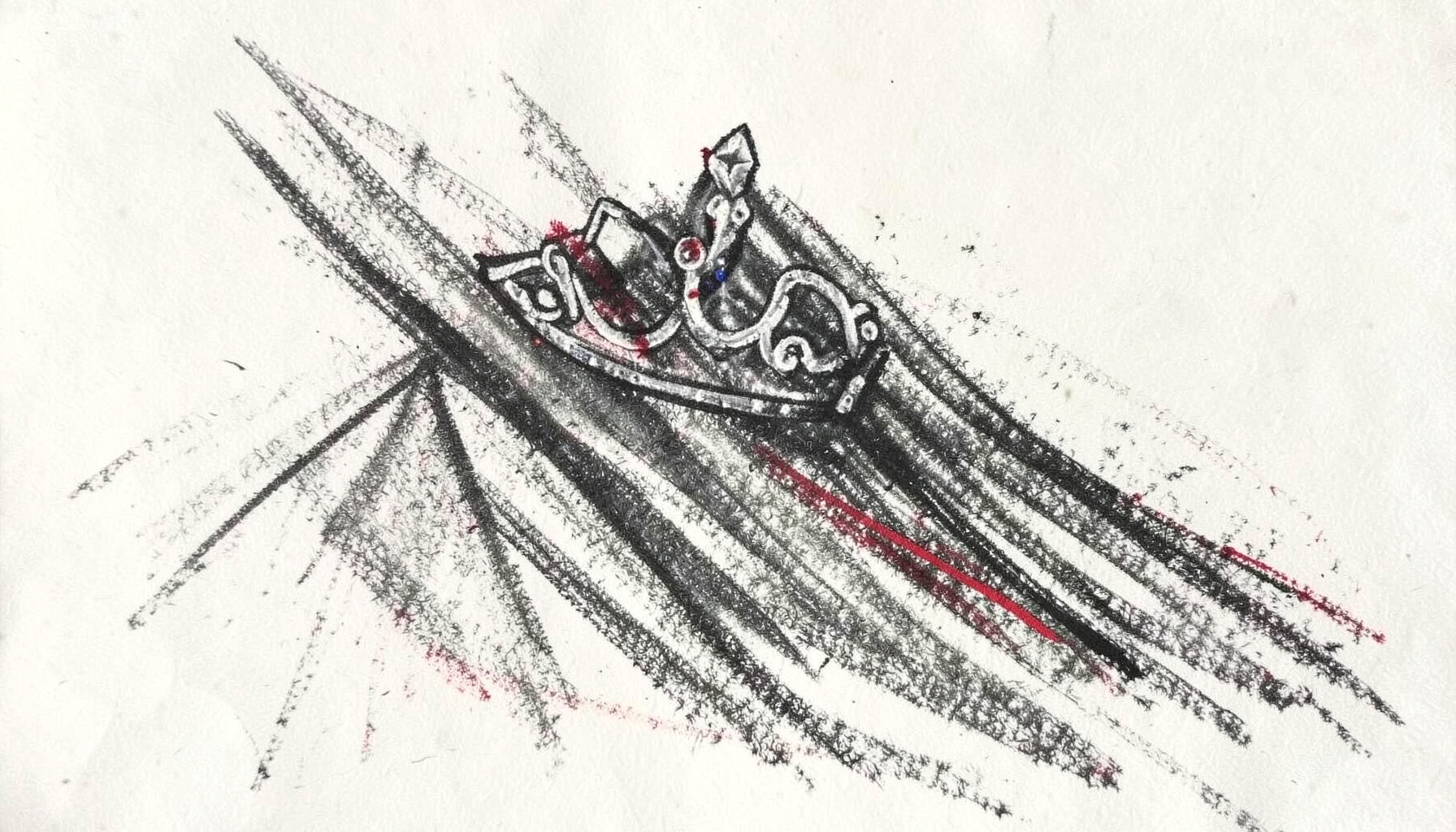
A neutral introduction to wedding accessories and bridal styling — a starting point for visitors exploring the topic.
How to incorporate a pet's ashes into a memorial bridal pendant
Few things carry as much weight as the small pendant a bride wears for a dog who waited by the door every afternoon. In Australia, pet cremation has moved from a quiet backyard ritual into a full service industry, with funeral homes in Melbourne, Sydney and Brisbane now offering individual cremation, paw-print impressions and framed keepsakes alongside the remains. That shift has fed a surge in memorial bridal jewellery, where a beloved animal becomes part of the wedding-day ensemble rather than something left at home in an urn. Learn more about Maquiagem Para Usar óculos Truques Para Destacar Os Olhos E Não Borrar.
The idea feels straightforward, but the craft behind it is not. Ashes must be handled with respect and paperwork, the pendant needs to survive decades of wear, and the finished piece should sit comfortably beside a veil, a tiara or a stack of rings. Couples also have to decide how visible the tribute is, particularly for guests who knew the animal and guests who never met them.
Treating this as a slow jewellery project rather than a last-minute purchase gives you breathing room and a better result. Browsing the wider bridal jewellery edit at The Wedding Tiara helps you understand how pendants, headpieces and gemstone pieces are styled together, and from there you can move through the practical steps with your jeweller and your pet's crematorium.
Why couples are turning to memorial jewellery
Pet remembrance jewellery has become a mainstream category across Australian bridal retailers, and brides increasingly want pieces that do several jobs at once. A pendant with a hidden chamber, or a bezel-set cabochon of tinted resin with ash suspended inside, offers a private tribute you can share publicly or keep entirely to yourself.
There is a practical reason to choose a pendant over a brooch or a charm tucked into the bouquet. It stays against your skin through the ceremony, travels with you to the reception, and appears in every photograph where the neckline is visible. It also suits the growing habit of commissioning one keepsake per family member, so a sibling or a parent can wear a matching piece without competing with the bridal gown.
Choosing a pendant style that suits your dress
The most enduring designs are simple: an oval locket on a fine chain, a teardrop that holds a sealed glass cabochon, or a small compartment pendant set with a hinged back and a clear window. Anything shaped around the finger of a paw print, or domed enough to catch the light, tends to look considered rather than mournful.
Match the drop to the neckline. A V-neck suits a longer teardrop, a bateau or sweetheart neckline works with a low-set locket on a short chain, and a high collar can carry a tiny charm on a ribbon or a fine two-millimetre chain. Most Australian brides choose the chain first and have the pendant built to fit it, which keeps the piece wearable long after the wedding.
Proportion matters more than price, particularly if your engagement ring is the centre of the look. A halo adds width and sparkle at the hand, so a pendant can either echo that width or deliberately contrast with a slim chain. This guide to choosing a halo setting explains how proportions are balanced, and the same logic applies when a memorial pendant sits under the same neckline.
Preparing and certifying the ashes
Begin with your crematorium rather than the jeweller. Ask whether they provide individual cremation with a sealed container, a certificate of cremation, and a paw print or hair clipping kept as part of the service. Confirm the certificate carries your pet's name and the date, because your jeweller will want it for the record.
Ashes are often divisible, so a family can each hold a portion. If your pet was cremated in Melbourne and the closest relatives live in Perth or Adelaide, ask about registered courier or insured post rather than ordinary mail, and keep the paperwork with the container until the pendant is finished. Nobody wants to explain a lost certificate at the jeweller's counter.
How jewellers set ashes into metal and resin
Three methods dominate Australian workshops. A compartment locket receives the remains in a sealed inner capsule, with a window so the colour of the ash is visible. Ash-loaded resin is poured with pigment in muted tones, often blush, smoke or deep green, and cured under UV light. Fired glass, where the ash is sintered into the glass itself, sits in a bezel and catches light like a stone.
Choose a jeweller who has done memorial work before and ask to see a finished example. You want someone who can explain how the piece is sealed against moisture, what cleaning products are safe, and whether the setting can be serviced or re-sealed in ten years' time. A written care sheet is worth more than a vague promise.
Personal touches that go beyond the ashes
Engraving is the simplest addition and often the most affecting: a pet's name, two dates, or one short phrase in a handwriting-derived font. Handprint moulds, a lock of fur sealed into a tiny chamber, a claw, or a photograph under enamel all work alongside the remains for couples who want several layers of memory in one piece.
Gemstones add a family thread. Australian sapphires from the sapphire fields of northern New South Wales and the Northern Territory are easy to source locally, and Argyle pink diamonds from the Kimberley are now collectible in their own right. Matching a pendant stone to a sapphire or diamond already in the engagement ring turns the memorial piece into an heirloom for the wider family.
Styling the pendant on the day
Decide in advance whether the pendant is worn over the dress or under a jacket, and check how it interacts with a veil comb or a headpiece. A low locket can disappear beneath a high bun, while a longer chain sits clearly against a V-neck. Bring a second, plainer chain so you can change the length for the ceremony and the reception.
If you wear glasses and intend to keep them on, your eye makeup needs to survive lenses and long hours, and makeup tips for glasses wearers covers techniques that prevent smudging and smearing. That is where a memorial pendant quietly matters too: it gives you a reason to be fussed over before you walk out.
Talk with your partner about disclosure. Some couples mention the tribute in the vows or on a note at the reception; others let close family know and say nothing more. Whatever you choose, the pendant stays on your neck either way, and guests who knew your dog will recognise the significance without needing to be told.
Costs, timelines and Australian jewellers
Prices across Australian bespoke studios usually start around six hundred dollars for a locket with a prepared chamber, rising to one thousand two hundred for hand-finished work in platinum or gold, and beyond fifteen hundred when a custom casting, engraving and precious stones are added. Treat these figures as a starting range and ask for a written quote with a deposit schedule.
Allow ten to twelve weeks from first consultation to finished piece, and longer if the design includes a hand-cast mount. Book the piece before your final dress fitting so you know the chain length. Bridal expos in Sydney and Melbourne often feature memorial jewellers you can meet in person, and it is worth collecting a valuation and insured receipt, since sentimental value does not replace market value in a claim.
Start the conversation early and keep the order of operations simple: collect the sealed container and certificate from the crematorium, take both to a jeweller consultation, settle the design and chain, and confirm a handover date well before the wedding. From there, the piece becomes what it should always have been, a small, warm reminder worn exactly where you can feel it.
STYLE HERITAGE
NOTES EDITORIAL
REVIEW REFERENCE
GUIDE DESIGN
STUDY READER
TRUST