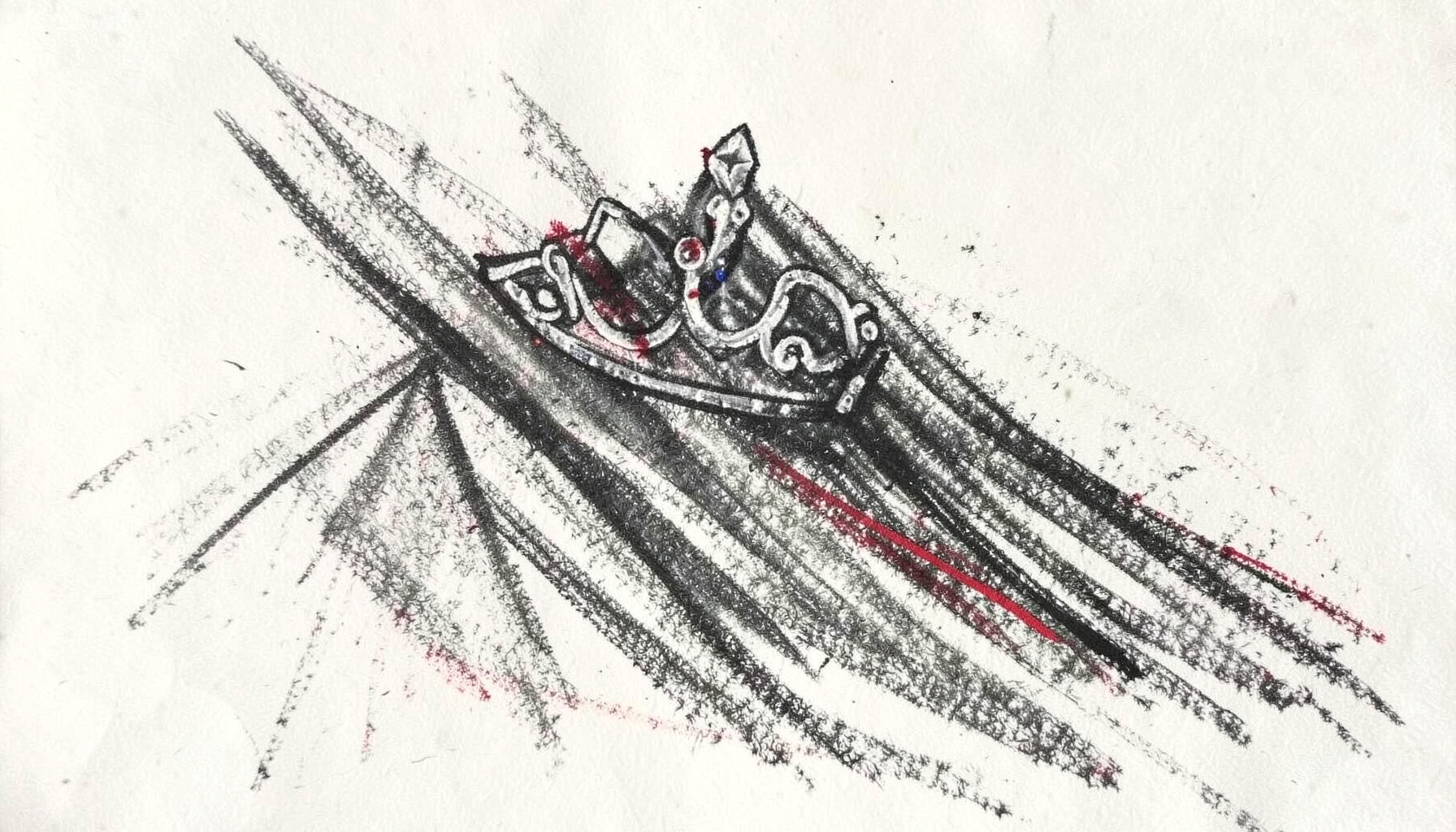
A neutral introduction to wedding accessories and bridal styling — a starting point for visitors exploring the topic.
Should your engagement ring and wedding band be the same width?
Couples planning an Australian wedding often begin with a mental image of two harmonious rings. Some picture a classic solitaire above a slim wedding band, while others want a coordinated stack with shared milgrain, diamonds or a particular metal. The details matter, but visual balance comes from more than one measurement.
The question of whether the engagement ring and wedding band should be the same width has no single right answer. A matched profile can feel deliberate, yet slightly different proportions may preserve the centrepiece and suit your hand, comfort preferences and wedding style.
Matching width without making the rings identical
Two bands of equal width can still look very different if one has a raised centre stone, broad shoulders or a polished finish. Conversely, rings that differ by a millimetre or two may appear balanced when their edges, metal and detailing align.
Treat width as one design tool rather than a pass-or-fail rule. Compare the total visual weight you see from the side: the height and span of the centre stone against the width and profile of the band beneath it.
Find the balance that suits your hand
A broad band tends to make the finger look shorter and more substantial, while a narrow band can create a longer, lighter line. The best combination depends on ring size, nail length and whether your engagement ring has a large centre stone, a low profile or a bold geometric face.
Rather than measuring each ring in isolation, place both on the same finger and view them from above, side and a natural resting angle. Take phone photos in daylight as well as indoors, since office lighting and Australian afternoon sun can change how diamonds and metal read.
Compare the pairing combinations you may love
A slim solitaire around 1.5–2 mm often sits neatly above a 2–3 mm wedding band, especially if the band has a subtle diamond set. For more visual impact, a 2–3 mm engagement ring can be paired with a polished 3–4 mm band, creating a defined break between centrepiece and foundation.
Other successful combinations reverse the proportions: a narrow, stone-set wedding band can disappear elegantly under a substantial engagement ring. If you prefer a nontraditional centrepiece, a toi et moi design gives each stone its own line, making width matching less about symmetry and more about personal style.
Whichever combination you try, let the centrepiece remain readable. If the engagement ring is visually delicate, a plain band gives it space; if it is ornate, a simple polished band creates a calm base.
Let metal, stones and setting guide you
Matching widths do not automatically create a matching look. A platinum or white-gold pair with identical proportions reads crisp and cohesive, while a yellow-gold band beside a white-metal engagement ring can create a deliberate contrast. Rose gold and mixed-metal combinations offer another route, particularly for vintage or Art Deco styling.
Also compare stone heights and setting styles. A high cathedral solitaire needs a band that does not collide with its basket, while a low bezel or pavé engagement ring can sit comfortably with almost any profile. Many Australian jewellers now offer platinum, 18-carat yellow and rose gold, lab-grown diamonds and coloured sapphire options, giving you more ways to balance colour, durability and budget.
For broader inspiration, the editors at The Wedding Tiara explore bridal jewellery suited to different silhouettes, materials and moods.
Test the look in Australian jewellery boutiques
Visit a jeweller rather than relying only on online images. Melbourne’s Collins Street and Sydney’s CBD both offer flagship stores, independent designers and bridal specialists where you can compare stones and metal in person. Ask to see several widths side by side, then wear each pairing for the short walk home.
Australian sizing is another reason to test locally: a size that feels secure on a US site may translate differently under Australian sizing, and fingers can change with heat or activity. If buying overseas, request the conversion and confirm whether resizing is included in the quoted price.
If your bridal planning also includes beauty appointments, allow realistic recovery time; non-surgical eye options are among the treatments worth researching well before the final week.
Build the pair for real Australian life
Think about daily wear before the gallery photos. A raised stone may catch on office clothing, while a wide comfort-fit band may stay secure through gym sessions, manual work and a summer walk on the beach. For outdoor ceremonies, low settings and sturdy profiles are generally easier to maintain than delicate pavé shoulders.
Under the Australian Consumer Law, jewellery sold by an Australian business must be of acceptable quality and match its description. If a ring has a fault covered by the consumer guarantees, your options may include repair, replacement or refund for a major failure, so keep your invoice and warranty details.
Budget carefully around promotions as well. A cash-back offer should never come between you and a durable ring, and gambling-linked rewards carry extra risk; this withdrawal conditions guide shows why fees, eligibility and timing can complicate access to promotional funds.
Choose your pair at the jeweller
A matched-width pairing works when both rings share a similar metal, visual weight and setting rhythm. If the centrepiece needs room to stand out, choose a slightly narrower or cleaner band. If a substantial engagement ring already feels bold, a refined wedding band can restore balance.
Bring your inspiration images, ring size, lifestyle notes and a realistic budget to a styling appointment. A good jeweller should place both options on your hand, explain the profile differences and photograph them in natural light, without pressuring you toward a particular style or spend.
Book a fitting at a trusted Australian jeweller or bridal boutique, try the shortlisted combinations, and compare how each set feels over coffee rather than in a five-minute glance. Choose the pairing you will still love when the wedding excitement fades and ordinary Tuesday arrives.
STYLE HERITAGE
NOTES EDITORIAL
REVIEW REFERENCE
GUIDE DESIGN
STUDY READER
TRUST