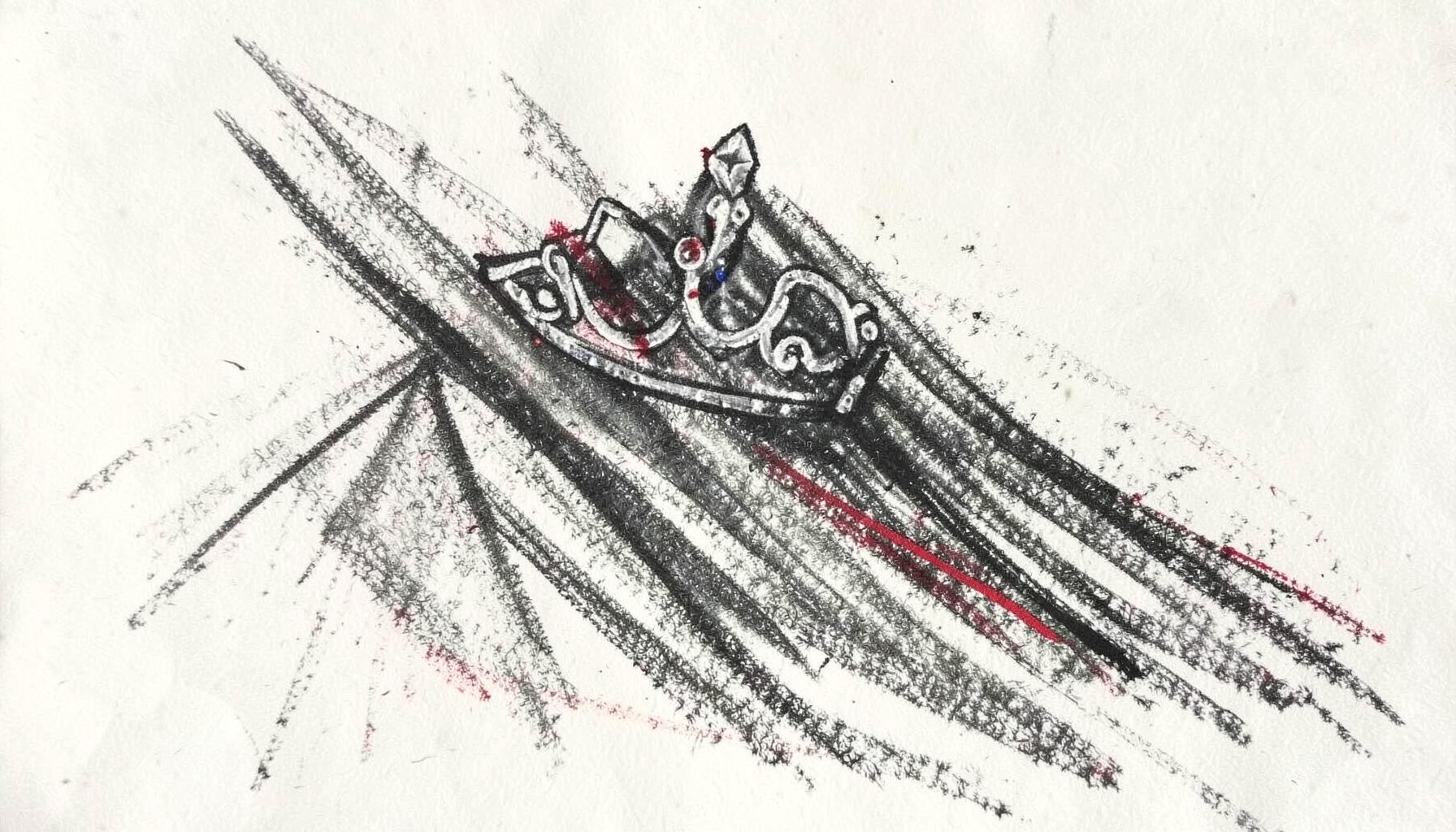
A neutral introduction to wedding accessories and bridal styling — a starting point for visitors exploring the topic.
Rose Gold vs. White Gold: Which Metal Suits Your Style?
Choosing a wedding band or engagement ring metal is a style decision with practical consequences. Rose gold brings a warm blush tone, while white gold has a cool, polished finish that suits contemporary and classic jewellery alike.
For Australian couples, the choice can also reflect daily habits, climate and local taste. A ring worn through Sydney commutes, Melbourne winters, Queensland humidity or weekends at the beach needs a finish and maintenance routine that fit real life.
Your skin tone, existing jewellery, gemstone colour and wedding styling all matter. The best option is the one that feels natural with your wardrobe and remains comfortable as your personal style evolves.
The Character Of Rose Gold
Rose gold is created by blending gold with copper, producing its distinctive pink, peach or blush colour. The higher the copper content, the warmer and deeper the tone can appear. It has a romantic, slightly vintage personality that works beautifully with champagne diamonds, morganite, pink sapphires and soft pearl details.
This metal is especially appealing if you prefer feminine jewellery with a less traditional finish. It can soften angular Art Deco shapes, add warmth to minimalist bands and bring a personalised quality to a simple solitaire. Copper may also make the alloy feel a little firmer than pure gold, although durability still depends on the karat and design.
Rose gold pairs naturally with Australia’s love of relaxed luxury. It looks at home with linen, silk and sun-kissed skin, whether the celebration is held in a coastal garden near Brisbane or an elegant venue in Melbourne.
Why White Gold Remains A Favourite
White gold combines yellow gold with pale alloys such as palladium or silver, then is commonly coated with rhodium for a bright, reflective surface. The result resembles platinum but is often more accessible in the Australian jewellery market. Its clean colour makes diamonds appear especially crisp and complements cool-toned gemstones such as blue sapphire.
A white gold engagement ring is a strong choice for someone drawn to modern tailoring, platinum-style jewellery or understated glamour. It also blends easily with silver watches and existing white-metal pieces, making everyday coordination simple.
Rhodium plating can wear away over time, revealing a warmer undertone beneath. Many jewellers recommend replating periodically, particularly for rings exposed to handwashing, gym equipment, gardening and household cleaning products. Ask about the alloy and care policy before purchasing, and retain your receipt to support rights under the Australian Consumer Law.
Matching Metal To Skin Tone And Gemstones
Metal colour can either harmonise with your complexion or create an intentional contrast. Rose gold generally flatters warm and neutral undertones, while white gold often complements cool undertones. Neutral skin can carry both, so the choice may come down to wardrobe, stone colour and the other jewellery you wear.
A useful way to compare options is to try each metal beside your hand in natural daylight rather than relying only on jewellery-store lighting. This skin tone guide can help you assess undertones alongside ring shape and gemstone colour.
Consider the centre stone as well. White gold creates a bright frame around a colourless diamond, while rose gold can make a warm diamond appear even creamier. A vivid ruby, pink sapphire or Australian opal may look particularly expressive against rose gold, whereas blue sapphire often gains striking contrast beside white gold.
Combining Metals Without Losing Cohesion
Mixed-metal wedding jewellery is no longer limited to fashion editorials. A rose gold engagement ring with a white gold wedding band can create deliberate contrast, while a two-tone ring offers a softer transition between the metals. This approach is practical for couples who already wear a blend of gold, silver and platinum-coloured accessories.
To keep the combination looking considered, repeat one metal elsewhere. A white gold setting with a rose gold band might be echoed by a two-tone watch, layered necklace or delicate bracelet. Matching the profile and finish of the rings is also important; a high-polish band beside a heavily brushed ring can look less unified.
For vintage lovers, metal mixing can enhance engraved details and milgrain edges. Explore these ideas in this vintage band guide, particularly if your ring draws on Edwardian, Victorian or Art Deco design.
Everyday Wear And Australian Conditions
Australian sunlight, heat and active outdoor habits deserve consideration. Sunscreen, saltwater, chlorine and fine sand can dull surfaces or collect around settings, so remove valuable rings before swimming at Bondi, snorkelling on the Queensland coast or spending a day gardening. A soft brush, mild soap and lukewarm water are usually safer than abrasive cleaners.
White gold may need more visible upkeep because its rhodium layer gradually changes with wear. Rose gold does not rely on the same bright plating, but its copper content can develop a slightly deeper patina. People with copper sensitivity should discuss the alloy composition with a qualified jeweller before ordering.
Check the warranty, resizing terms and insurance requirements with an Australian retailer. Keep valuation documents current, especially for a ring worn daily, and look for clear information about metal purity, gemstone treatments and responsible sourcing.
A Quick Style Guide
Your lifestyle and existing wardrobe can make the decision easier. Use these visual cues when comparing rings in person:
- Choose rose gold for warmth, romance and a vintage-inspired mood.
- Choose white gold for crisp sparkle, cool contrast and modern simplicity.
- Choose mixed metals when your jewellery collection already combines finishes.
- Choose either metal with a low-profile setting for practical daily wear.
Try rings on alongside your engagement ring, watch and usual bracelets. Photographs taken in daylight can reveal how the metal behaves across different settings, from a sunny outdoor ceremony to an evening reception.
The ideal choice should also suit your long-term plans. Trends may influence the first impression, but comfort, repair support and compatibility with future wedding jewellery matter just as much as colour.
Whether your taste leans blush-toned and romantic or sleek and luminous, browse bridal jewellery inspiration to compare rings, tiaras and finishing details that bring the whole look together. Choose the metal that feels most like you, then confirm its alloy, care requirements and warranty before placing your order.
STYLE HERITAGE
NOTES EDITORIAL
REVIEW REFERENCE
GUIDE DESIGN
STUDY READER
TRUST